
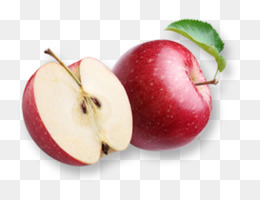
Red Apple.
Crisp and Juicy Fruit
₡700.00
Enjoy the irresistible crunch and sweet flavor of the fresh red apples. Perfect for snacks, baking, or salads. Packed with vitamins and nutrients, they make a healthy addition to your daily diet.
🍎 1. Rich in Antioxidants
Red apples contain antioxidants like quercetin, anthocyanins, and vitamin C, which help:
Fight free radicals
Reduce inflammation
Lower risk of chronic diseases
❤️ 2. Supports Heart Health
High in soluble fiber (pectin), which helps lower bad cholesterol (LDL)
Potassium helps regulate blood pressure
Antioxidants improve blood vessel function
🌱 3. Aids Digestion
Fiber promotes healthy digestion
Helps prevent constipation
Supports good gut bacteria
⚖️ 4. Helps with Weight Management
Low in calories
High in fiber and water
Keeps you full longer, reducing overeating
🧠 5. May Support Brain Health
Certain antioxidants (like quercetin) may help protect brain cells and support memory.
🩸 6. Helps Control Blood Sugar
The fiber slows sugar absorption, helping maintain steady blood sugar levels.
🦷 7. Promotes Dental Health
Crunching apples can help clean teeth and stimulate saliva production, which reduces bacteria.
1. Refrigerator Storage (Best for long-term freshness)
Place apples in the crisper drawer of the refrigerator.
Keep them in a perforated plastic bag or a loosely closed container.
Ideal temperature: 0–4 °C.
Shelf life: 3–6 weeks.
✅ Tip: Apples release ethylene gas, which can ripen nearby fruits. Store them separately from bananas, avocados, and other sensitive fruits.
2. Countertop Storage (Short-term)
Keep apples in a cool, dry place away from direct sunlight.
Use a fruit bowl with ventilation.
Shelf life: 5–7 days depending on room temperature.
⚠️ In warm climates (like Costa Rica), apples spoil faster outside the fridge.
3. Storage in Paper Bag
Place apples in a paper bag and store them in a cool pantry or refrigerator.
The bag helps control moisture and slow dehydration.
Shelf life: 2–4 weeks in the fridge.
4. Storing Cut Apples
If the apple is sliced:
Sprinkle with lemon juice to prevent browning.
Store in an airtight container in the refrigerator.
Shelf life: 1–2 days.
5. Freezing Apples (for cooking)
Peel and slice the apples.
Dip slices in lemon water.
Store in freezer bags.
Shelf life: 6–8 months (good for pies, smoothies, or baking).
✅ Extra Tips
Do not wash apples before storing; wash them only before eating.
Check periodically and remove any spoiled apple, since one bad apple can accelerate spoilage of others.
1. Fresh Snack
Eat them raw as a healthy snack.
Slice them and add a little peanut butter, yogurt, or honey.
2. Salads
Add diced apples to green salads for sweetness and crunch.
Common in fruit salads or chicken salads.
3. Smoothies and Juices
Blend apples with banana, milk, yogurt, or spinach for smoothies.
Juice them with carrot or orange.
4. Baking
Use them in baked desserts like:
Apple pie
Apple cake
Muffins
Apple crumble
5. Cooking
Cook apples with cinnamon and sugar for a warm topping.
Add to oatmeal or pancakes.
6. Apple Sauce
Boil chopped apples with a little water and cinnamon to make homemade applesauce.
7. Natural Sweetener
Use mashed apples in baking as a substitute for some sugar or oil.
8. Decorative or Aromatic Uses
Dry apple slices for decoration.
Simmer apple slices with cinnamon and cloves to make your house smell good.
9. Skin Care (Home Remedy)
Apple pulp can be used in simple face masks because apples contain natural acids and vitamins.
10. Vinegar (Advanced Use)
Apple scraps can be fermented to make homemade apple vinegar.
✅ Extra tip: Apple peels and cores don’t need to be wasted—they can be used for tea, vinegar, or compost.
Here are 10 unusual or creative uses for red apples at home 🍎 that many people don’t usually think about:
1. Natural Air Freshener
Simmer apple slices with cinnamon sticks and cloves in a pot of water. Your house will smell warm and fresh for hours.
2. Apple Chips
Thinly slice apples, sprinkle a little cinnamon, and bake them at low temperature to make healthy crunchy chips.
3. Meat Tenderizer
Apples contain natural acids and enzymes that help soften meat. Add grated apple to marinades for pork or chicken.
4. Apple Tea
Boil apple peels and cores with cinnamon and ginger to make a fruity homemade tea.
5. Reduce Salt in Food
If soup or sauce becomes too salty, add a slice of apple while cooking. It can help absorb some of the saltiness.
6. DIY Apple Jam
Cook chopped apples with sugar and lemon juice to create a simple homemade apple jam.
7. Apple Face Mask
Mash apple with a little honey and apply it as a natural face mask. Apples contain vitamins and gentle fruit acids.
8. Prevent Browning of Other Fruits
Mix apple juice with other cut fruits (like bananas or pears). The natural acids can help slow oxidation.
9. Apple Bird Feeders
Core an apple, fill the center with peanut butter and bird seeds, and hang it outside for birds.
10. Natural Potpourri
Dry apple slices and mix them with cinnamon sticks, orange peel, and cloves for a natural room fragrance.
✅ Bonus idea:
Freeze small apple pieces and use them like ice cubes in juice or iced tea for natural flavor.
Nutritional Information (per 100 g of fresh red apple)
Nutrient | Amount |
|---|---|
Calories | 52 kcal |
Water | ~86 % |
Carbohydrates | 13.8 g |
Natural sugars | 10.4 g |
Dietary fiber | 2.4 g |
Protein | 0.3 g |
Fat | 0.2 g |
Vitamins
Vitamin | Amount |
|---|---|
Vitamin C | 4.6 mg |
Vitamin A | 54 IU |
Vitamin K | 2.2 µg |
Vitamin B6 | 0.04 mg |
Folate (B9) | 3 µg |
Minerals
Mineral | Amount |
|---|---|
Potassium | 107 mg |
Calcium | 6 mg |
Magnesium | 5 mg |
Phosphorus | 11 mg |
Iron | 0.1 mg |
Key Health Benefits
🍎 Supports digestion – The fiber (especially pectin) helps regulate the digestive system.
🍎 Heart health – Contains antioxidants and potassium that support cardiovascular health.
🍎 Low calorie snack – Ideal for balanced diets and weight control.
🍎 Hydration – High water content helps maintain hydration.
💡 Tip: Most of the fiber and antioxidants are found in the apple skin, so it is best eaten unpeeled after washing well.